
Featured Analysis
CFAA and the Federal Criminal Toolkit
A judgment-first read on unauthorized access, system boundaries, stacked federal charges, and what still matters after Van Buren.
LawZeee tracks cyber, privacy, AI, and disclosure matters so lawyers, hackers, and pen testers can see what conduct triggered the fight, which fact changed the result, and what the court, regulator, or company actually did next.
This is the homepage upgrade that matters most: do not hunt by file name. Start with the dispute pattern, jump to the right authority, and see which fact actually changes the legal consequence before you read the full page.
| If your problem is... | Start here | Legal line | Fact that decides it | What it does not prove | Next move |
|---|---|---|---|---|---|
| A person kept using access after permission changed or ended | Facebook, Inc. v. Power Ventures, Inc., 844 F.3d 1058 (9th Cir. 2016) | Authorization, technical boundary, and whether the conduct still fits a real access claim after Van Buren. | Whether access continued after a real revocation, block, or credentials boundary instead of just violating a policy. | Not every misuse, TOS dispute, or internal policy breach becomes hacking. | |
| Location or profile data looks anonymous on paper but can still point back to a person | FTC v. Kochava, Inc. | FTC unfairness, practical identifiability, and whether downstream linkage makes privacy injury foreseeable. | Whether the dataset can be linked to identity, sensitive locations, or household routines in the real world. | A de-identified label by itself does not settle the legal analysis. | |
| A cyber incident may turn into disclosure or governance liability for a public company | SEC v. SolarWinds Corp. and Timothy G. Brown, No. 1:23-cv-09518 (S.D.N.Y.) | Disclosure posture, controls statements, scienter, and whether governance language outran the underlying security reality. | What leadership knew, what the company said, and whether the record shows a mismatch between internal facts and public posture. | A breach or weak control environment alone does not automatically equal securities fraud. | |
| You need the right authority fast for standing, venue, extradition, or cross-border cyber procedure | Landmark Cases: Prosecutions and Civil Suits | Which precedent actually governs the hinge issue instead of just sounding cyber-adjacent. | Whether the real fight is venue, standing, immunity, extradition, access revocation, or another procedural pivot. | A famous cyber case is not useful if it does not answer the issue actually being contested. |
A judgment-first read on unauthorized access, system boundaries, stacked federal charges, and what still matters after Van Buren.
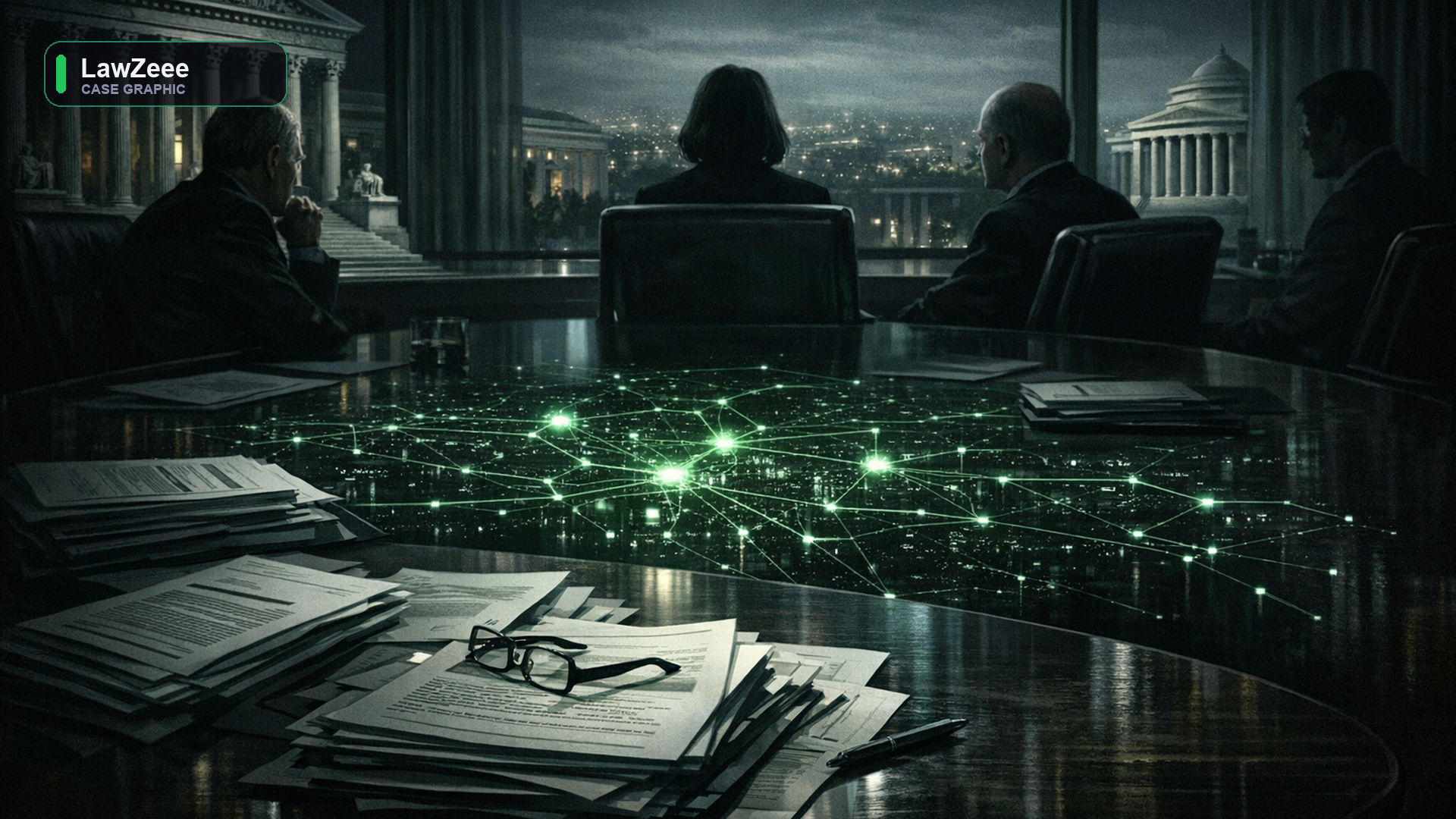
Control failures, public-company disclosure posture, and how cyber governance turns into securities litigation risk.
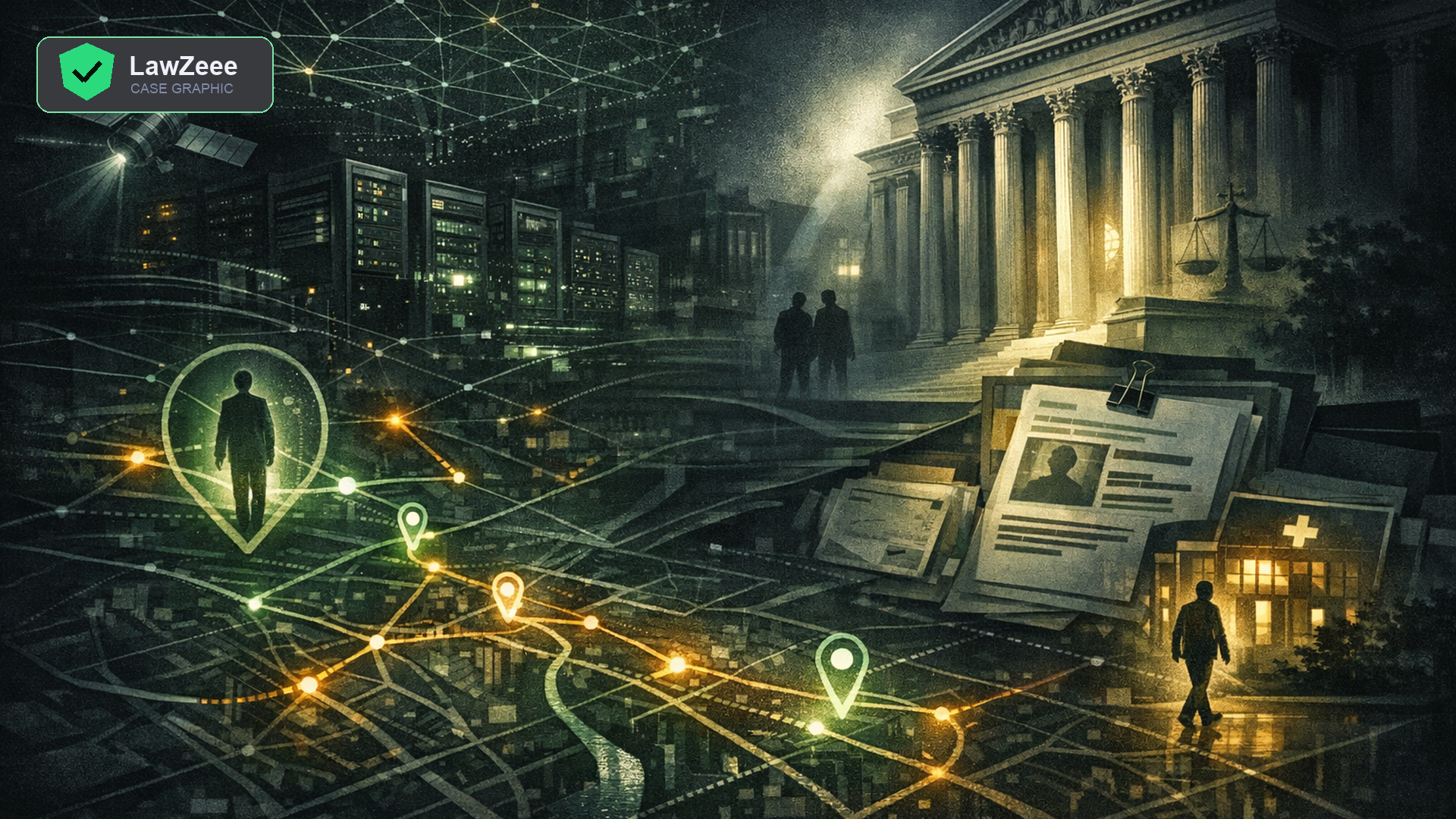
A working read on linkable geolocation data, sensitive locations, and why anonymous-data arguments keep getting weaker.
The site works when legal readers understand the tech, and technical readers understand the legal consequence. Each page answers a slightly different job fast.
Use trackers to get the holding so far, the strongest source-backed framing, and the exact issue the case actually helps you argue.
Use modules to see where access, consent, scraping, reporting, and disclosure moved from technical behavior into criminal exposure.
Use the practical pages to see what conduct triggered charges, what evidence mattered, and what enforcement was real instead of theoretical.
Do not start by reading everything. Start with the surface that answers your job fastest: what the case changed, where the legal line sits, or what conduct actually triggered enforcement.
Open a tracker when you need the holding so far, the factual hinge that changed the result, and what still has to be proved before you cite the case.
Use the modules when the question is whether access crossed a real boundary, what consent existed, and how courts talk about authorization, scraping, reporting, and disclosure failures.
Use the practical surfaces when you need to know what made charges real, which technical facts drove liability, and what remedies, deadlines, or regulator moves mattered in the real world.
The biggest structural problem is not that there are no cyber rules. It is that the rules are fragmented, uneven, and often better at disclosure and enforcement after the fact than at setting a clear security baseline up front.
Start-to-judgment tracker with update ledger, analytical prompts, and footer resource links.
Start-to-judgment tracker with update ledger, analytical prompts, and footer resource links.
Start-to-judgment tracker with update ledger, analytical prompts, and footer resource links.
Start-to-judgment tracker with update ledger, analytical prompts, and footer resource links.
Start-to-judgment tracker with update ledger, analytical prompts, and footer resource links.
Start-to-judgment tracker with update ledger, analytical prompts, and footer resource links.
This post explains the main federal anti-hacking law in plain English. The key modern question is whether someone broke into a part of a computer system they were not allowed to enter, not just whether they misused information they could already see. It also shows why federal cyber cases usually include extra charges beyond the CFAA.
This post is the case-law map for cybersecurity. It explains the court decisions that define what counts as hacking, when data-breach victims can sue, how spyware cases fit in U.S. courts, and why extradition and procedure often matter as much as the underlying facts.
After a cyber incident, different government bodies do different jobs. The FBI investigates crimes, CISA helps with defense and coordination, regulators like the FTC and SEC look at the company's conduct, and OFAC can turn ransomware into a sanctions problem. This post maps that enforcement lineup.
Winning a cyber case is not just about proving harm. Victims still have to identify the right defendant, show the court has power over that person, prove they suffered a concrete injury, and find a realistic way to collect money or get relief. This post explains those practical hurdles.
CIRCIA will require many critical infrastructure companies to report serious cyber incidents to CISA within 72 hours and ransomware payments within 24 hours once the final rule takes effect. It adds a new federal reporting clock, but it does not replace state, sector, or other breach-notice duties.
This post explains what companies owe people after a data breach. If a business waits too long to notify customers or regulators, it can face lawsuits, fines, and higher damages even if the hacker is the one who carried out the attack. California and New York now make that timeline much tighter.
Use this as the short answer layer before you dive into a tracker or module.
LawZeee is built for lawyers, hackers, pen testers, and security researchers who need technical facts translated into legal consequences without losing the actual facts.
Start with a tracker when the dispute is live or citation-specific. Start with a module when you need the doctrine, regulator map, or rule set behind the dispute.
Primary weight goes to statutes, opinions, agency actions, and official case pages. Signal feeds like Hacker News are useful for discovering movement, not for proving the law.
This local build is still operator-run. Use the workspace owner path for corrections, missing-source notes, and requests for new trackers or modules.
Use the governed workspace channel to request new case tracking, source corrections, graphics updates, or audience-specific versions for lawyers, hackers, or pen testers.